When people think about industrial automation, they often focus on machines, controllers, and powerful pneumatic cylinders. But one critical part is often forgotten the pneumatic hose. This “simple” tube carries life into the entire system. Without the right hose, even the best equipment will struggle to perform properly. Choosing the correct pneumatic hose is not just a technical decision; it is a smart investment in performance, safety, and long-term reliability.
Start With How Your System Really Works
Before selecting a hose, it helps to understand how your system operates on a daily basis. Does your machinery run continuously, or only at certain times? Do hoses move constantly, or stay fixed? Are they exposed to heat, moisture, or chemicals?
If your system works around the clock, durability becomes essential. If hoses move often, flexibility matters more than strength alone. Understanding these real-world conditions will guide you toward a hose that fits your operation instead of one that only looks good on paper.
Pressure Is the First Reality Check
Every hose has a pressure rating, and ignoring it can lead to leaks, sudden failures, and safety risks. Always select a hose with a working pressure higher than what your system produces. This prevents stress and extends hose lifespan.
A common mistake is choosing the bare minimum rating to save money. In reality, stronger hoses last longer and reduce maintenance costs. Think of pressure rating not as a limit — but as protection.
The Right Material Makes All the Difference
Not all hoses behave the same way. The material determines how long they last and how well they perform.
Polyurethane hoses are popular for automation systems because they are light, flexible, and resistant to wear.
Nylon hoses handle higher pressure but are more rigid.
Rubber hoses perform well in demanding environments where vibration or heat is present.
PVC hoses are budget-friendly but better suited for light-duty work.
Your choice should reflect how rough or clean your environment is. A busy factory floor needs a tougher hose than a clean assembly lab. Selecting the wrong material often leads to brittle hoses, leaks, and constant replacement.
Size Affects Performance More Than You Think
Hose diameter controls airflow. If the hose is too narrow, your machine receives less air. That means slower performance and reduced efficiency. If it’s too wide, you waste air and energy.
For high-speed automation and large cylinders, wider hoses maintain consistent pressure. For control systems and sensors, smaller hoses are efficient and economical. Always match hose size to air demand instead of selecting randomly.
Pay Attention to Flexibility
Some hoses bend beautifully. Others resist movement and crack over time. In systems with motion, flexibility protects your equipment. Check the minimum bending radius before installing any hose. For moving parts, choose hoses designed to bend repeatedly. For stationary systems, more rigid hoses provide extra strength.
Environment Can Be Tough on Hoses
Heat, cold, oil, UV light, and chemicals all affect hose lifespan. A hose that works perfectly indoors may fail outside within months. If your system operates in extreme temperatures, choose hoses rated for that range. For dusty areas, abrasion resistance matters. In chemical environments, material compatibility prevents corrosion.
Work With Trusted Experts
Instead of choosing blindly, working with knowledgeable pneumatic cylinder suppliers makes selection easier. They understand air systems and recommend solutions based on real-world conditions.
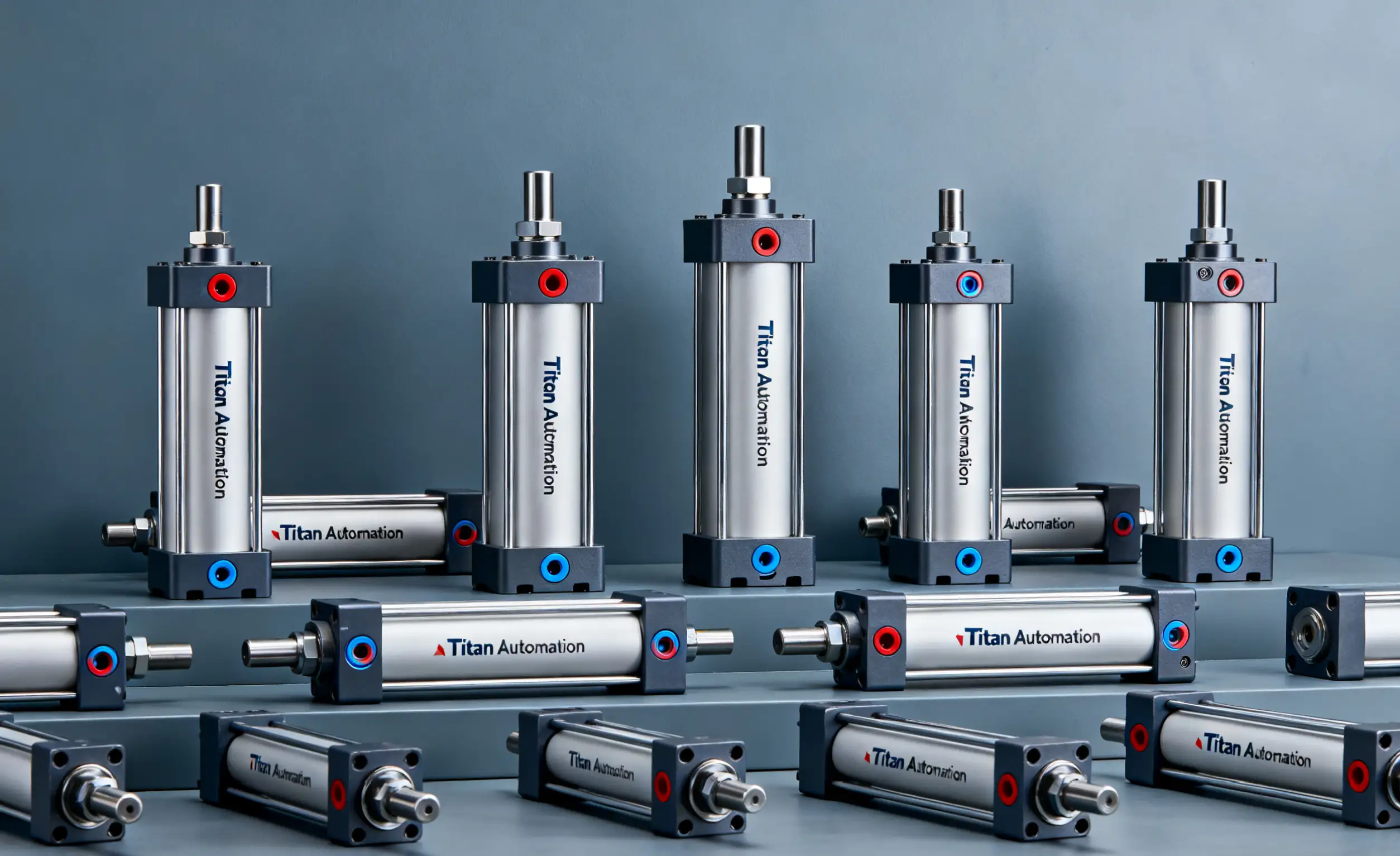
Titan Automation is a pneumatic components manufacturer that produces industrial-grade components designed to perform together efficiently. As a leading pneumatic cylinder manufacturer, Titan Automation understands that hoses and cylinders function as a team, not as separate parts.
Choosing hoses from suppliers who understand your entire pneumatic system ensures balanced performance and fewer failures.
Simple Maintenance Saves Big Money
Even the best hose needs attention. Inspect hoses regularly for cracks, stiffness, or air leaks. Replace aging hoses before they fail unexpectedly. Good installation also matters. Avoid sharp bends, twisted lines, and unsecured routes that rub against machinery.
Final Thoughts
A pneumatic hose may look simple, but it plays a powerful role in industrial automation. When chosen correctly, it protects your machines, saves energy, and prevents downtime. When chosen poorly, it becomes your system’s weakest link.
By selecting carefully, working with reliable pneumatic cylinder suppliers, and trusting an experienced pneumatic cylinder manufacturer, your automation system becomes smarter, stronger, and more dependable.


